

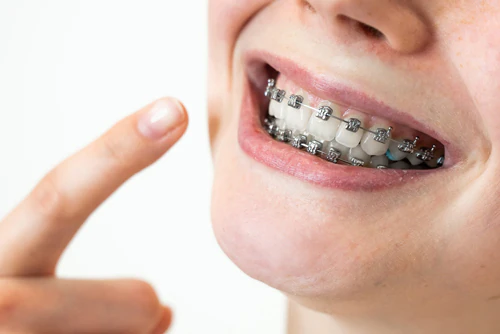
A straight smile is often the goal of people considering braces, but their advantages extend well beyond aesthetics. Braces straighten your smile while also addressing oral health, improving speech, and boosting self-confidence. If you are considering braces, understand that it is more than just an investment in your smile’s appearance.
What braces are and how they work
Braces are a dental treatment used to align and straighten teeth, improving appearance and function. They consist of small brackets attached to the teeth and connected by archwires. These archwires apply gentle pressure over time to move the teeth into their desired positions. Periodic adjustments ensure that the pressure remains consistent and effective throughout the treatment.
There are different varieties of braces to suit individual needs and preferences. Traditional metal braces are the most common and reliable option, featuring durable metal brackets and wires. Modern metal braces often come with smaller brackets, making them more comfortable and less noticeable than older designs. There are even ceramic braces that blend in with tooth color for an even more discreet option.
Additional benefits of braces
Improved oral health
Crooked or crowded teeth can create challenges when it comes to maintaining oral hygiene. Misaligned teeth often have overlapping surfaces or tight spaces where food particles and plaque accumulate. This accumulation can lead to a higher risk of cavities, gum disease, and bad breath.
Once braces have worked to properly spaced and align the teeth, brushing and flossing become easier and more effective. Therefore, braces can not only reduce the risk of decay and gum disease but also promote better long-term oral health. Also, a well-aligned smile brings balance to the mouth, preventing uneven wear on teeth and reducing the risk of chips or cracks.
Better chewing function and digestion
Well-aligned teeth are optimal for chewing function, the first step of the digestive process. Misaligned teeth can make it difficult to break down food properly. When this happens, the stomach has to work harder to process it, which can lead to discomfort and reduced nutrient absorption. When braces correct the alignment of teeth, this helps ensure that food is chewed properly, aiding in proper digestion.
Reduced risk of jaw problems
Misaligned teeth can strain the jaw area, leading to issues such as headaches and even temporomandibular joint (TMJ) disorders. TMJ issues may cause pain when chewing, clicking or popping sounds in the jaw, or difficulty opening and closing the mouth. Braces can correct the bite and balance tooth alignment, helping to alleviate these issues. A properly aligned bite reduces unnecessary pressure on the jaw, improving comfort and minimizing the risk of long-term jaw issues.
Boosted confidence and improved speech
Braces can help boost self-confidence during social interaction by supporting proper speech and improving how someone feels about their smile. People who feel self-conscious about their teeth may hesitate to smile. Additionally, tooth misalignment may interfere with how one speaks, contributing to them talking with a lisp or other speech impediment.
After treatment, many people feel more confident in their smiles and how they speak, making them more willing to engage with others. This boost in self-esteem can lead to improved relationships. Furthermore, a willingness to smile and engage more can improve mood, enhance social interactions, and create a positive impression on others.
Prevention of future dental problems
A key goal of general dentistry is prevention because preventive dentistry not only keeps mouths healthier but also saves patients time, hassle, and money by helping prevent costly dental procedures later. Misaligned teeth can lead to problems like gum recession, uneven wear, and even tooth loss over time. Addressing alignment problems with braces can help avoid these complications, saving time, money, and discomfort in the long run.
Younger patients can benefit even further from consulting a dentist about treatment when they are as young as 7-12. Braces can guide the proper growth and development of teeth and jaws. Therefore, a general dentist may recommend early intervention to help correct alignment issues before they become more serious.
Call Us to Learn More Today
Braces are more than a tool for achieving a straighter and more aesthetically pleasing smile. They are instrumental in improving oral and overall health while reducing the risk of future dental issues. With different options available, finding one that fits your needs and lifestyle can be easy. Make an appointment with our team and start investing in your future smile health today.
Request an appointment here: https://www.leedentistryoxford.com/ or call Lee Family and Cosmetic Dentistry at (662) 513-0055 for an appointment in our Oxford office.
Check out what others are saying about our dental services on Yelp: Orthodontics in Oxford, MS.


