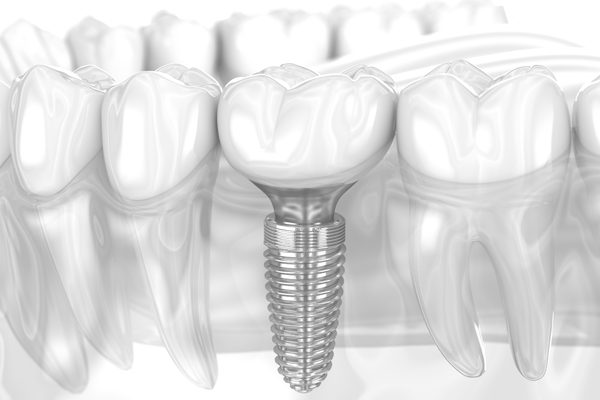
Dental implants can restore missing teeth with a stable, natural-looking solution and are often the recommended choice when early warning signs appear in the mouth. Many people assume tooth replacement can wait, especially when only one tooth is missing or when discomfort seems mild. However, delays can allow shifting, bone loss, and bite changes that make treatment more complex later. Knowing the signs that suggest earlier action helps protect oral health and long-term comfort—here are seven.
1. A missing tooth that has not been replaced
A visible gap remains one of the clearest signs that tooth replacement is necessary. Even if the space sits in the back of the mouth and seems easy to ignore, it can still affect chewing efficiency and bite balance. Food often gets trapped in the gap, increasing plaque buildup and gum irritation around neighboring teeth.
Over time, the surrounding teeth can tip toward the open space, creating alignment issues that complicate future care. Replacing a missing tooth sooner helps maintain spacing and stability. A general or cosmetic dentist often recommends dental implants because they stand alone and do not rely on adjacent teeth for support.
2. Loose or shifting teeth near a gap
Teeth that begin to feel loose or appear to move can signal changes in bite stability or gum support. When a tooth is missing, the remaining teeth may absorb extra force during chewing. This overload can contribute to mobility, discomfort, and wear, especially when gum health is already compromised.
Additionally, shifting teeth may also create new spacing, crowding, or changes in the way the upper and lower arches meet. These changes may lead to chewing discomfort or a feeling that the bite no longer fits together naturally. Dental implants can stabilize the bite by restoring proper contact points and distributing force more evenly.
3. Trouble chewing certain foods
Difficulty chewing often appears earlier than expected after tooth loss. Even one missing molar can reduce chewing efficiency and cause a person to favor one side of the mouth. This habit can strain the jaw muscles and joints, leading to soreness or fatigue after meals. Further, hard or fibrous foods may be difficult to eat, and cutting food into smaller pieces may become a routine. Over time, dietary choices may shift away from healthier options that require more chewing. Dental implants can restore bite strength and support a wider, more comfortable range of foods.
4. Recurrent gum irritation or food being trapped
Food being trapped near an open space in the mouth or failing tooth replacement can create a cycle of irritation. Gums may swell, bleed easily, or feel tender in the affected area. This environment increases the risk of decay and periodontal disease in neighboring teeth, even when brushing remains consistent.
Repeated inflammation can also affect the stability of surrounding tissues. When gum health declines, the risk of further tooth loss rises. Replacing missing teeth with dental implants often reduces food trapping by restoring a smooth, cleanable contact and supporting healthier gum contours.
5. A failing bridge or loose denture
Some patients notice that an older bridge no longer feels stable or that it becomes harder to keep clean. Supporting teeth may develop decay, fractures, or gum recession around the margins. When a bridge fails, it often leaves a larger restoration problem than the original missing-tooth issue.
Loose dentures or partial dentures, while viable tooth replacement options, can also cause sore spots and inconsistent chewing. Adhesives may become necessary, and a sense of security during eating or speaking can decline. In many cases, dental implants provide a more secure alternative by offering fixed support and reducing reliance on soft tissue or neighboring teeth.
6. Bone loss or a sunken look in the smile
Changes in facial structure can be a subtle sign that the jawbone is losing density. Over time, missing teeth may lead to less support for the lips and cheeks, creating a slightly sunken appearance. Dentures may begin to feel looser as the ridge changes shape, even when they once fit well. Bone loss can also limit future treatment options or require additional grafting to rebuild support. Dental implants help reduce bone shrinkage by stimulating the jaw in a way similar to natural roots.
7. Chronic tooth damage or unsalvageable teeth
Sometimes the need for implants becomes clear when a tooth has severe decay, repeated infections, or fractures that extend below the gumline. Chronic tooth problems can also affect the surrounding bite and gum tissues. Repeated procedures on the same tooth may increase costs and cause frustration without a long-term resolution. In these cases, dental implants often provide a durable solution that supports function and reduces the cycle of recurring dental emergencies.
Schedule a consultation
Dental implants become an important option when missing teeth, shifting bite patterns, chewing difficulties, and signs of bone loss begin to appear. Have you noticed any of the above signs? Contact Lee Family and Cosmetic Dentistry and schedule a dental implant consultation.
Request an appointment here: https://www.leedentistryoxford.com or call Lee Family and Cosmetic Dentistry at (662) 546-1143 for an appointment in our Oxford office.
Check out what others are saying about our dental services on Yelp: Dental Implants in Oxford, MS.
Related Posts
Periodic denture adjustments make life with dentures more comfortable. Regular maintenance of your dentures means making sure that they fit well, which enables you to eat, speak, and smile with ease. But living with dentures does not always live up to expectations. For starters, there is an adjustment period for first-time wearers of dentures. As…
Denture adjustments ensure that life with dentures lines up with what you sign up for. A set of dentures is not a true replacement for natural teeth, but it should come close. This is where routine maintenance of your prosthetic teeth comes in.Wearing your dentures should be an easy task that only takes a few…
Dental veneers give patients a way to transform their smiles, providing benefits that reach far beyond whiter teeth in photos. A dentist can use these thin, custom shells to correct several concerns at once, from chips and gaps to worn edges and uneven color. So while many people think of veneers only as a cosmetic…
Anyone who wears dentures will need denture adjustments or repair at some point. Refitting dentures makes them more comfortable and less likely to cause pain. The process serves to restore the original fit of a set of dentures or modify them in line with changes in the patient’s mouth. Denture adjustments also improve function concerning…