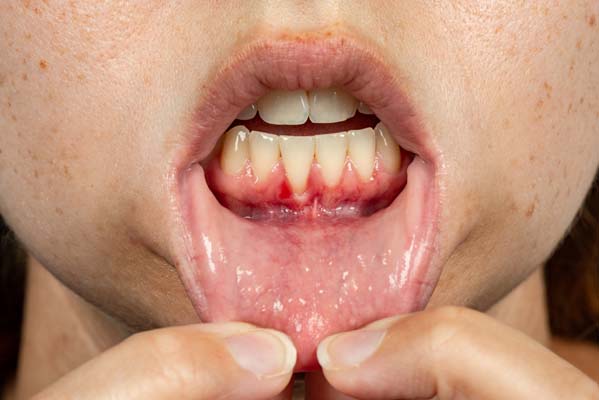
Although there are often no painful symptoms of gum disease in the early stages, it is crucial to treat gum disease as soon as it is detected. Otherwise, the disease could worsen or lead to more severe oral health concerns that require extensive treatment to address properly.
The risks of not treating gum disease
Understanding the dangers of gum disease can provide the extra motivation to help you keep your oral health where it needs to be through good oral hygiene. If left untreated for an extended amount of time, gum disease results in noticeable risks, including gum recession, bone loss in the jaw, teeth sensitivity, tooth infections, loose teeth, and teeth loss.
Gum recession
Gum recession occurs when the gums start to recede away from the tooth’s crown. This is a more serious symptom of gum disease. However, gum recession progresses over time, so it can be hard to detect without regular dental visits. Minor gum recession may not cause many concerns initially, but gum recession that gets progressively worse can expose the tooth root and increase the risk of oral infection and tooth loss.
Bone loss in the jaw
Gum disease affects not only the gums but the underlying jawbone as well. The jawbone holds the teeth roots into place, so any jawbone loss puts teeth in jeopardy of becoming lost. Bone loss often happens due to progressive gum disease (periodontitis). This not only makes it more likely that teeth loss occurs, but it also complicates the dental implant process, as patients are more likely to require a bone graft procedure before implant placement.
Sensitivity and infection
Gum disease can further expose teeth roots. This makes the patient more vulnerable to a tooth infection and the need for root canal therapy to avoid severe discomfort and tooth loss. This is particularly a risk for patients with tooth decay and gum disease. In addition, other symptoms of gum disease, such as recession and deep gum pockets, increase this risk.
Deep gum pockets
When deep gum pockets form, it can risk the long-term health of surrounding teeth. Therefore, the depth of the gum pockets is one of the first things a dentist checks for when assessing the patient’s periodontal health.
Teeth loss
Without proper treatment, teeth loss can eventually result from gum disease. This can happen decades after the symptoms of gum disease are first noticed or much sooner. Teeth may first become loose or infected before eventually falling out, largely due to gum disease, leading to the need for teeth replacement via implants or traditional dentures.
3 tips for gum disease prevention (and how to help treat gum disease symptoms)
Ideally, patients can avoid gum disease altogether through a prevention strategy. However, if gum disease has already started to develop, there is still time to take action. Here are several tips for maintaining healthy gums and reducing the risk of gum disease.
Visit the dentist every four to six months
The dentist plays an important role in gum disease prevention. Of course, the majority of preventive measures take place at home, but plaque and tartar can still accumulate and damage gums over time without dental cleanings. For this reason and more, regular dentist visits for a cleaning procedure are strongly encouraged.
Brush the gums often (and gently)
It is also important to brush the gums thoroughly every time you brush your teeth. However, vigorously brushing the gums can contribute to gum erosion over time. Therefore, while brushing the gums often is important to remove plaque and tartar, be sure not to brush gently so as not to irritate them or cause damage.
Limit foods, drinks, and habits that raise the risk of gum disease
Patients may be familiar with all that contributes to gum disease, including but not limited to sugar-filled foods and drinks, acidic fruits, tobacco, and alcohol. We encourage all to be mindful of how consumption affects their periodontal health and take precautions if and when they consume something that may be bad for gum health. For instance, drink water afterward to wash away the bacteria and sugar when drinking a sugar-filled beverage.
Preventing gum disease with routine check-up visits
Gum disease prevention should include routine check-up visits, which allow your dentist to detect signs of gum disease early and help you put together a treatment and prevention plan. If it has been more than six months since your last dentist visit or you experience symptoms of gum disease, then schedule a visit with our team today.
Request an appointment here: https://www.leedentistryoxford.com or call Lee Family and Cosmetic Dentistry at (662) 546-1143 for an appointment in our Oxford office.
Check out what others are saying about our dental services on Yelp: Gum Disease in Oxford, MS.
Related Posts
Gum disease treatment remains a cornerstone in modern dentistry and aims to preserve healthy gums, teeth, and underlying bone structure. This comprehensive approach protects oral health and prevents tooth loss by addressing plaque buildup and inflammation. Gum disease develops when plaque bacteria irritate the gum tissues, creating redness, swelling, and, if unchecked, progressive damage to…
Gum disease treatment is necessary for patients whose tooth decay has progressed enough to cause inflammation of the gumline. Without proper treatment, the gum disease will continue to worsen. Dentists have access to specialized tools that patients cannot use in their homes to remedy the issue. While each person’s oral health situation is unique, most…
Oral cancer is a serious disease that requires intensive treatment and care. This condition can affect any portion of the mouth, including the tonsils and salivary glands. Treatment for the disease includes surgery and may also involve radiation or chemotherapy.It is important for people to understand the risk factors and what can cause this condition.…
Regular visits with a trusted dental professional are essential in keeping your teeth and gums healthy in the long run. A preventive dentist can help you maintain good oral health. By focusing on regular dental care and proactive treatments, you can prevent the need for extensive treatments in the future. Regular visits to a preventive…