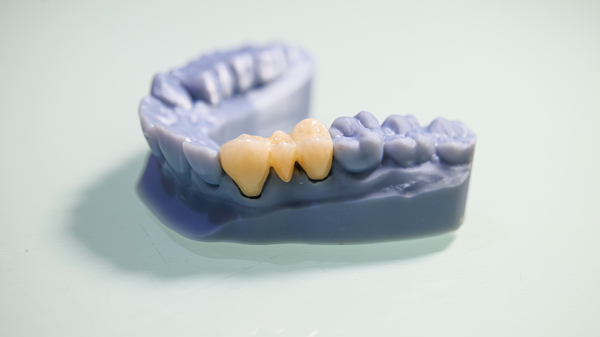
There are many ways to replace lost teeth, and dental bridges are an effective and long-lasting option for people looking to replace missing teeth. Bridges can help restore both the appearance and function of your smile. Learning about the basics, uses, and benefits of bridges can help you decide if they are the right choice for your tooth replacement needs.
Understanding dental bridges as a tooth replacement
A dental bridge is a fixed prosthetic that replaces anywhere from one tooth to several in a row. Its framework consists of one or more artificial teeth, known as pontics, anchored in place by adjacent natural teeth or dental implants. The supporting teeth, called abutments, are typically covered with dental crowns or outfitted with wings to anchor the bridge and maintain proper alignment.
Types of dental bridges
There are several dental bridge types: traditional, implant-supported, Maryland, and cantilever. Which type is best depends on the location of the missing tooth, as well as the condition of the surrounding teeth.
- Traditional bridges. These are the most common types of bridges and are best for strong teeth on both sides of the gap.
- Implant-supported bridges. While similar to traditional bridges, they attach to dental implants instead of natural teeth.
- Maryland bridges. These bridges have a metal or porcelain winglike framework bonded to the backs of adjacent teeth.
- Cantilever bridges. These bridges only need one adjacent tooth for support.
Getting a dental bridge typically involves two to three dental visits. After an initial consultation, the dentist prepares the abutment teeth, takes impressions, and sends the impressions to a custom lab that fabricates the custom bridge. A temporary bridge may be placed while the permanent one is being made to protect the prepared teeth. Once ready, the general or cosmetic dentist can adjust the bridge and cement it into place.
What dental bridges can do for a smile
A dental bridge replaces missing teeth and offers essential benefits for restoring the patient's oral function and appearance. Missing teeth can lead to problems like shifting teeth, bite misalignment, and extra wear on remaining teeth. By using bridges to fill these gaps, dentists help keep the dental arch strong and evenly distribute the patient's chewing forces.
Visually, dental bridges are designed to blend seamlessly with surrounding teeth. Modern materials, such as porcelain or ceramic, ensure that the pontic closely resembles the natural shade, shape, and translucency of adjacent teeth. This makes bridges virtually indistinguishable from the patient's remaining natural teeth. Additionally, bridges improve speech clarity, chewing ability, and facial symmetry.
3 Reasons why dental bridges are still a smart choice
Although there are more modern tooth replacement choices, dental bridges remain an effective and popular option. Here are three reasons why a general or cosmetic dentist may recommend bridges over other tooth replacements:
1. No need for surgery
Unlike dental implants, which require a surgical procedure and months of healing, most dental bridge types offer a non-surgical alternative. The process involves reshaping the adjacent teeth and bonding the bridge in place — no additional incisions, sutures, or implant placement is required. A dental bridge provides a less invasive way to restore their smile for patients who are not ideal candidates for surgery due to medical conditions or personal preferences.
This non-invasive approach can also appeal to those who want to avoid the risks associated with surgical procedures, such as infection, bleeding, or implant failure. With bridges, tooth replacement can be simpler, especially for those seeking a lower-risk option.
2. Faster recovery times
As previously mentioned, since dental bridges do not involve surgery, the recovery period is considerably shorter. Most patients resume normal eating and speaking within a few days after getting dental bridges. There is no need to wait several months for the implants to fuse with the bone, as is the case with implants, and the initial adjustment period is often minimal. Of course, the patient would need to wait for this process if they are getting implant-supported bridges. However, this is not a concern for traditional, cantilever, and Maryland bridges.
3. Feels and looks natural
Dental bridges are crafted from advanced materials designed to mimic the appearance and texture of natural teeth. Personalization ensures a proper fit and color match so the final result seamlessly fits into the surrounding smile. In addition to aesthetics, the comfort and stability of the bridge allow for normal eating and speaking without irritation or discomfort.
See if a dental bridge is right for you
It is best to consider several factors when picking a tooth replacement, the most important being desired aesthetics and oral health needs. To speak to a dentist about dental bridges and other tooth replacement options, contact Lee Family and Cosmetic Dentistry. Our team helps patients in Oxford and the surrounding area choose the most effective option for restoring their smiles.
Request an appointment here: https://www.leedentistryoxford.com or call Lee Family and Cosmetic Dentistry at (662) 546-1143 for an appointment in our Oxford office.
Check out what others are saying about our dental services on Yelp: Dental Bridges in Oxford, MS.
Related Posts
For those who have experienced tooth loss or irreparable damage to a tooth, dental bridges can help. This type of treatment replaces missing teeth by anchoring a prosthetic alternative to the two adjacent teeth, bridging the gap between them — hence the name. Bridges can be used to replace up to four adjacent teeth, depending…
A dental crown supports and protects a weakened tooth when a filling no longer provides enough coverage or strength. Many patients compare these two restorations and want to understand when each one is recommended. A careful evaluation helps determine the best option for long-term comfort, stability, and oral health. Factors such as decay size, tooth…
A dental crown restoration involves two dental visits. Dentists use this type of restoration to repair a range of tooth damage types, including decay, chips, cracks, and teeth worn down by continuous grinding. This guide discusses what you can expect during a dental crown restoration and how a dentist can help ensure a safe and…
Dental crowns are durable and effective for restoring damaged or weakened teeth. They improve the tooth's structure and function while also enhancing your smile's appearance. However, proper maintenance can extend their lifespan and ensure long-term oral health. With the right care, these restorations can last several years, providing a reliable and aesthetically pleasing restoration.A consistent…