Signs to Consider Wisdom Tooth Extractions
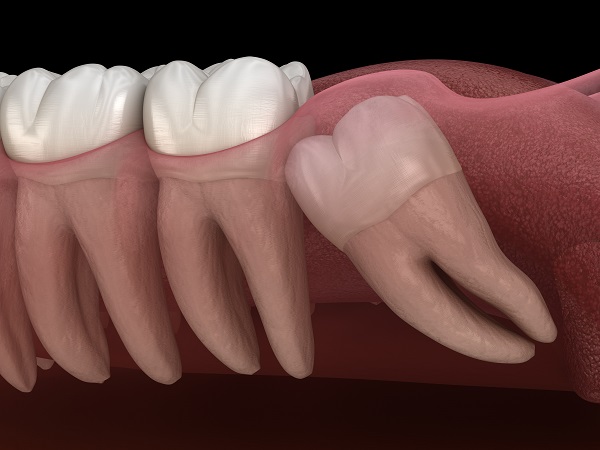
A wisdom tooth extraction is often necessary in order to eliminate accompanying symptoms. Many individuals experience the eruption of their wisdom teeth and never notice the signs. However, there are also a lot of cases in which the wisdom teeth present noticeable symptoms that can be used to identify eruption. Teenagers and young adults should be aware of these signs as they may help indicate a need for a wisdom tooth extraction.
Wisdom tooth extraction signs
Outlined below are a few signs that indicate a need to consider wisdom tooth extraction. Keep reading to learn what to keep an eye out for!
Pain or discomfort
The number one sign that indicates a consideration for wisdom tooth extraction is pain or discomfort. When the wisdom teeth erupt, they often cause irritation because they are pushing the already-rooted teeth in different directions. This push can result in pain or discomfort. Pain may be felt in the upper or lower jaw, depending on the location of the eruption. Additionally, the back molars and gums may feel sore.
Swelling or inflammation
Wisdom teeth that erupt can cause swelling and inflammation in the gums, typically in the back of the mouth. It can be difficult to see that far back; however, most individuals can feel around with their finger or tongue to determine if the gums seem puffy or swollen. These symptoms can also lead to an infection in the gums, which makes it necessary to be evaluated for wisdom tooth extraction right away.
Crowding
Another sign that a wisdom tooth extraction is worth considering is if the teeth start crowding. When the wisdom teeth erupt, they can push the other adult teeth into a crowded position. Crowding may not seem detrimental, but it actually is. When the teeth start to crowd, it can result in increased chances of tooth decay and gum disease. Teeth that are not evenly aligned are more difficult to clean as there are harder-to-access areas, thus resulting in a lack of oral hygiene, which can lead to infection development.
Pressure
Oftentimes when the wisdom teeth begin to erupt, they can cause pressure in the oral cavity, typically in the back of the mouth. The upper and lower jaw, as well as back molars, usually experience the most amount of pressure. Pressure can be irritating and may lead to other symptoms, such as discomfort in the jaw. Any feelings of pressure should be taken to a general dentist who may recommend a wisdom tooth extraction.
Find out more about wisdom tooth extraction
There are a lot of signs that indicate a need to consider wisdom tooth extraction, going far and beyond the ones listed above. However, knowing what all of these signs are can be difficult, which is where a general dentist may be needed. A general dentist can perform an evaluation to help individuals determine whether or not wisdom tooth extraction is necessary. Reach out today to learn more or to get started with a consultation.
Request an appointment here: https://www.leedentistryoxford.com or call Lee Family and Cosmetic Dentistry at (662) 546-1143 for an appointment in our Oxford office.
Check out what others are saying about our services on Yelp: Read our Yelp reviews.
Related Posts
Implant dentists are essential in helping patients regain a healthy and functional smile by providing innovative and personalized solutions for missing or damaged teeth. They specialize in the placement and restoration of dental implants. With their experience and techniques, implant dentists offer patients the opportunity to restore oral health and regain confidence in their smile.…
Identifying the right general dentist serves as a vital step for anyone seeking to maintain a resilient smile and avoid the complications of progressive tooth decay or gum disease. A long-term relationship with a dentist ensures that the history of the mouth remains clear and that every treatment plan aligns with personal health goals. Selecting…
Managing sleep apnea often involves a visit to the general dentist, as the mouth and jaw play a fundamental role in keeping the airway open and clear during sleep. While many people think of this condition as something only a physician handles, dentists have a unique view of the physical signs that appear during a…
Dentures that do not fit properly often cause discomfort. Specifically, many patients report swollen, tender, and painful gums due to the irritation caused by improperly fitted dentures. The good news is denture adjustments can relieve much of this discomfort, providing more comfortable and attractive dentures.The most notable benefits of denture adjustments include the alleviation of…